
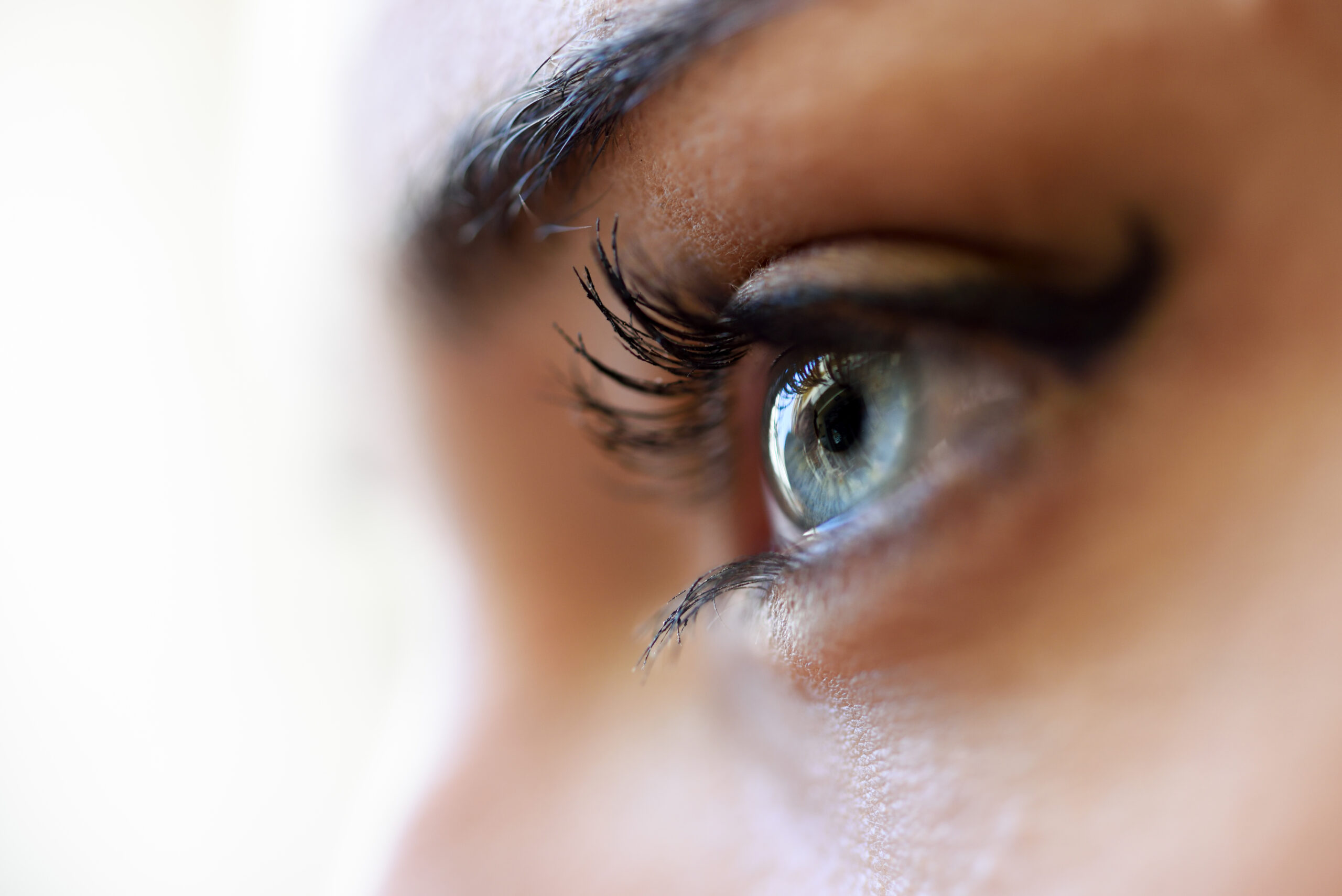





Your tear system is like an automatic irrigation system. Instead of sprinklers, underground plumbing and drains working together to keep your lawn green, your tear system has glands and ducts that move lacrimal fluid (the medical term for your tears) across your eyes.
Your eyes produce tears to protect themselves. They lubricate tissue like your conjunctiva and cornea. They also flush foreign materials (like allergens or dust) out of your eye. Your facial nerve — sometimes referred to as seventh cranial nerve — controls the muscles in your face and eye that pump tears into and out of your eye.
Tears are created in lacrimal glands in the upper outside corners of your eyes. They’re mostly salt and water. This fluid moves across your eyes as you blink and is mixed with oil from your meibomian glands to form your tears. This keeps the water from evaporating too quickly. Some of the oils stay along the edge of the eyelid to keep tears from “leaking” over your eyelashes.
Tears that have been flushed from your eyes drain away and into your tear ducts that empty into the back of your nose. That’s why you might feel stuffy if you’ve been crying. Your excess tears are flowing faster than they usually would into the back of your nose and draining into your throat.