

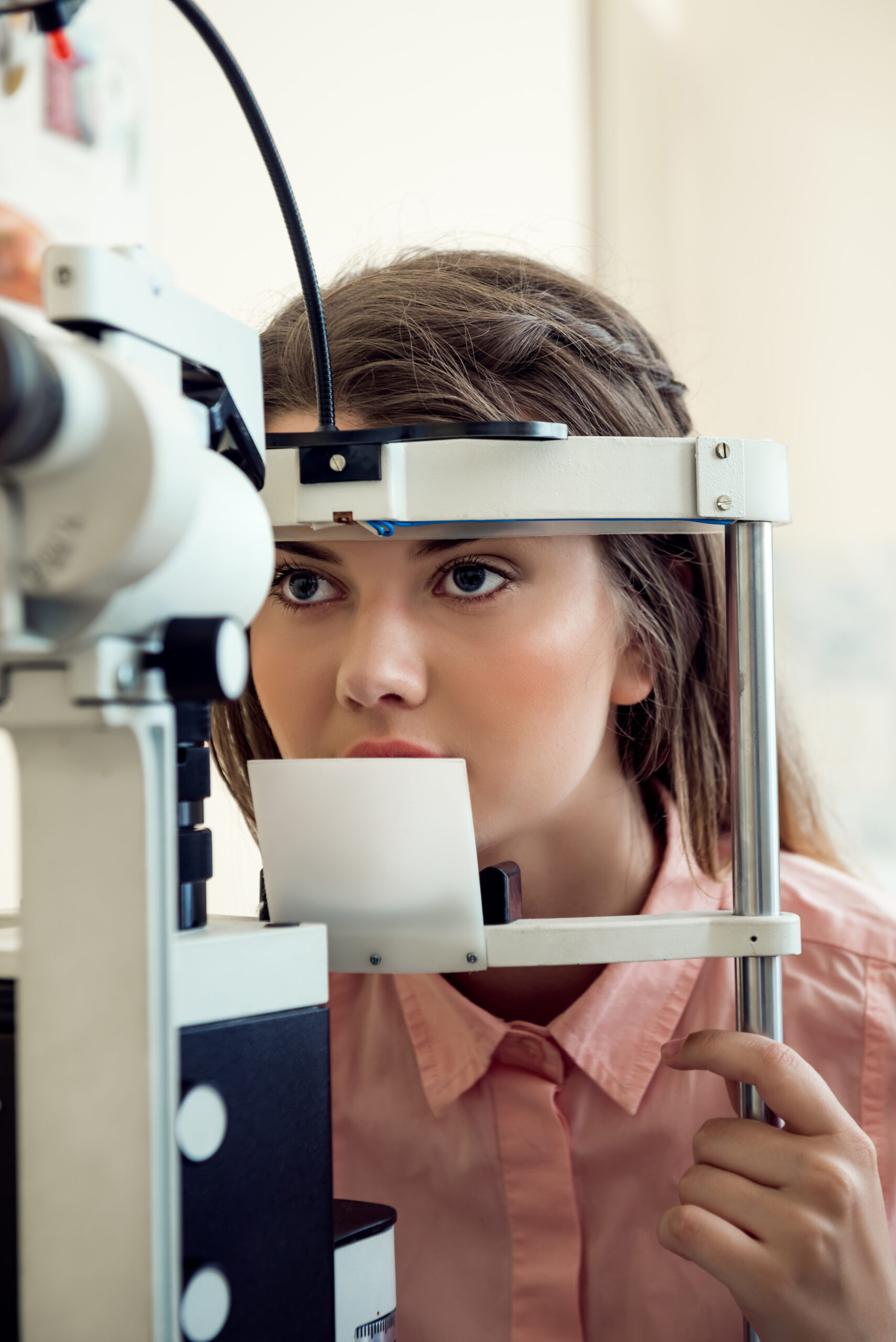




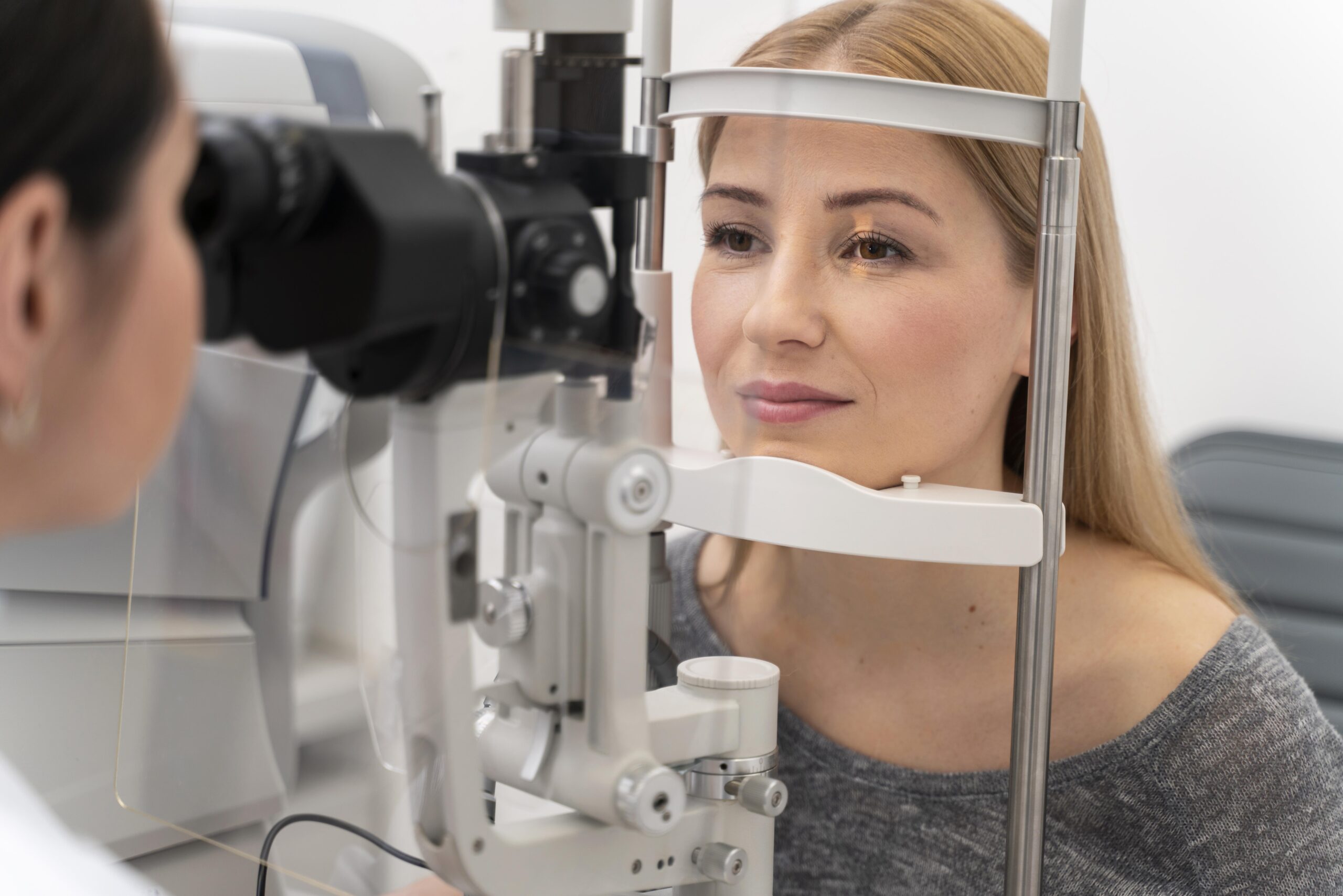
The practice of wearing spectacles to correct vision dates back to the 13th century, Contact lenses made from hand-blown glass were available in Switzerland in the 1800s, These were the non-invasive ways for enhancing visual clarity and correcting eyesight.
These gadgets, on the other hand, inflict discomfort to the patient and need thorough treatment, As a result, intrusive eyesight correction procedures are being introduced, Radial keratotomy, which involves making an incision on the cornea with a diamond knife and altering its curvature, was invented by a Russian eye specialist.
Astigmatism is still managed with this method, In the 1990s, the USFDA authorized a more powerful technique for eyesight correction, The procedure is called photorefractive keratome, and it provides long-term vision correction, LASIK combines the benefits of each preceding procedure while eliminating their drawbacks, resulting in far greater patient satisfaction.
These procedures have proven very effective and are still regarded as the gold standard in vision corrective surgery, In 1999, a personalized LASIK treatment based on wavefront analysis became available.
Contoura was the name of the method, which provided 22000 points on the cornea, Conventional LASIK maps just 200 locations on the cornea compared to Contoura.