





What is glaucoma?
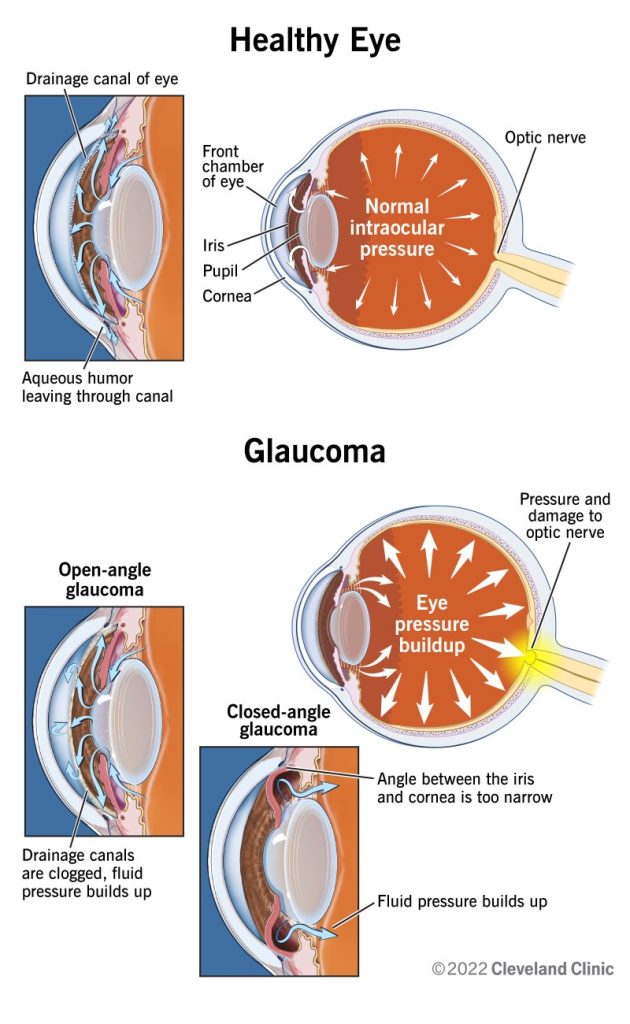
It is an eye disease that results in permanent damage to the optic nerve, and the most important reason for this is high internal pressure in the eye.
The pressure that builds up is due to a problem with the production, flow, or drainage of fluid that normally occurs in the eye.
Causes of glaucoma:
The exact cause of glaucoma is unknown.
For some reason, there is an overproduction of fluid and/or the passages that normally allow fluid inside your eye to exit become blocked. This results in fluid buildup inside your eye and increased pressure on the optic nerve. Nerve fibers and blood vessels in the optic nerve can be easily damaged by this pressure. An injury, infection, or tumor in or around the eye can also cause high pressure
Glaucoma occurs most frequently in individuals over the age of 40 and there is a hereditary tendency to develop the disease in some families. Primary open-angle glaucoma causes damage at an early age and leads to vision loss at a much greater rate. There is also a greater risk of glaucoma if you have diabetes, high blood pressure, and eye injuries. Regular optometry exams are important for all ages to assess your risk of developing glaucoma and specifically eye pressure testing.
Types of glaucoma?
There are different types of glaucoma, but they can be broadly divided into two groups:
– Chronic open-angle glaucoma (open-angle glaucoma) is the most common form of glaucoma. The drainage angle of the eye becomes less efficient over time, and the pressure inside the eye gradually increases, which can lead to damage to the optic nerve. In some patients, the optic nerve becomes sensitive to even normal eye pressure and is vulnerable to damage. Treatment is necessary to prevent further vision loss. The risk of developing chronic open-angle glaucoma increases with age.
Open-angle glaucoma usually has no symptoms in its early stages, and vision remains normal. As optic nerve damage increases, blind spots develop in the field of vision. You may not notice these empty spots during daily activity until the optic nerve is significantly damaged and these spots become large
– Angle-closure glaucoma: occurs in some eyes when the iris is too close to the drainage angle. These eyes are often small and suffer from farsightedness, which leads to blocking the drainage canal of the eye so that the fluid cannot exit the eye, which leads to pressure building up quickly, leading to a severe attack due to the closed angle.
Glaucoma symptoms:
- Blurred vision
- Severe pain
- Headache
- Rainbow halos around lights
- nausea
- Vomiting
As a rule, damage caused by glaucoma cannot be reversed. Eye drops, laser surgery, and surgery (in the operating room) are used to help prevent further damage. In some cases, oral medications may also be prescribed. With any type of glaucoma, regular checkups are important to prevent vision loss. Glaucoma can develop without your knowledge, hence the need for routine follow-up visits to check the progression of the disease and adjust treatment as needed
Glaucoma treatment:
Glaucoma treatment is divided into three methods according to the stage and diagnosis, which are as follows:
Drug treatment for glaucoma:
Glaucoma is usually controlled with medicated drops every day. The drops work to lower eye pressure by reducing eye fluid or increasing flow through the drainage angle or other tissue. Never change or stop taking medication without consulting your eye doctor. Glaucoma medications can preserve vision but may also produce side effects.Tell your eye doctor if you think you are having side effects, including:
- A stinging or itching sensation.
- Blurred vision.
- Breathing changes (especially with asthma or emphysema).
- Changes in energy level.
- Changes in eye color.
- Changes in pulse and heart rate.
- Changes in the sense of taste.
- Dry mouth.
- Headache.
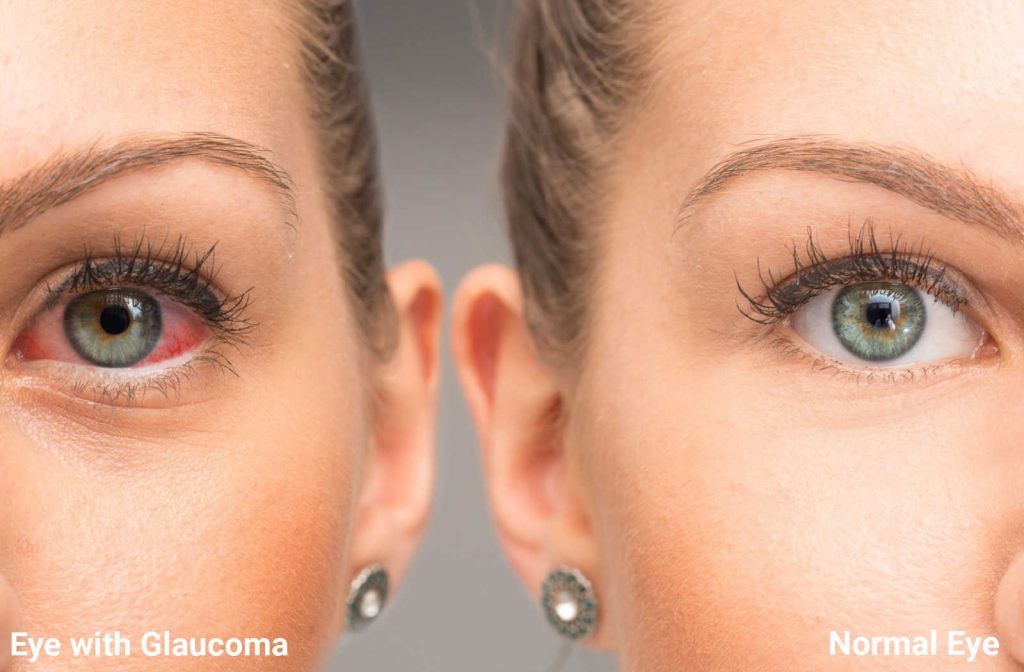
- Redness of the eyes or redness of the skin surrounding the eyes.
Laser surgery for glaucoma:
Surgical laser treatment may be recommended for different types of glaucoma. In open-angle glaucoma, a laser is used to modify the drainage in the eye. In closed-angle glaucoma, the laser makes a hole in the iris (iridotomy) to improve the flow of aqueous fluid into the drainage.
Microsurgery for glaucoma (glaucoma surgery) When surgery in the operating room is necessary to treat glaucoma, the ophthalmologist uses microsurgical tools to create a new drainage channel for the aqueous fluid to leave the eye. Surgery is recommended if the ophthalmologist feels it is necessary, to prevent further damage to the optic nerve, for example AHMED VALAVE SURGERY.
The SURGICAL EYE CENTER provides consultants specialized in treating all types of glaucoma. The center also provides the latest techniques specialized in delicate glaucoma surgical operations.